Aluminum is one of the most widely used metals in the world, prized for its lightweight strength, corrosion resistance, and versatility. Within the family of aluminum alloys, however, not all grades behave the same during welding. Two of the most popular alloys are 6061 and 7075, both known for their strength and performance in demanding industries. Yet when it comes to welding, they could not be more different. Understanding how these two alloys compare is essential for fabricators, welders, and engineers looking to choose the right material for their projects.
What Makes 6061 Aluminum Unique
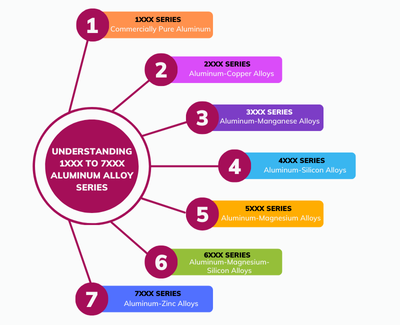
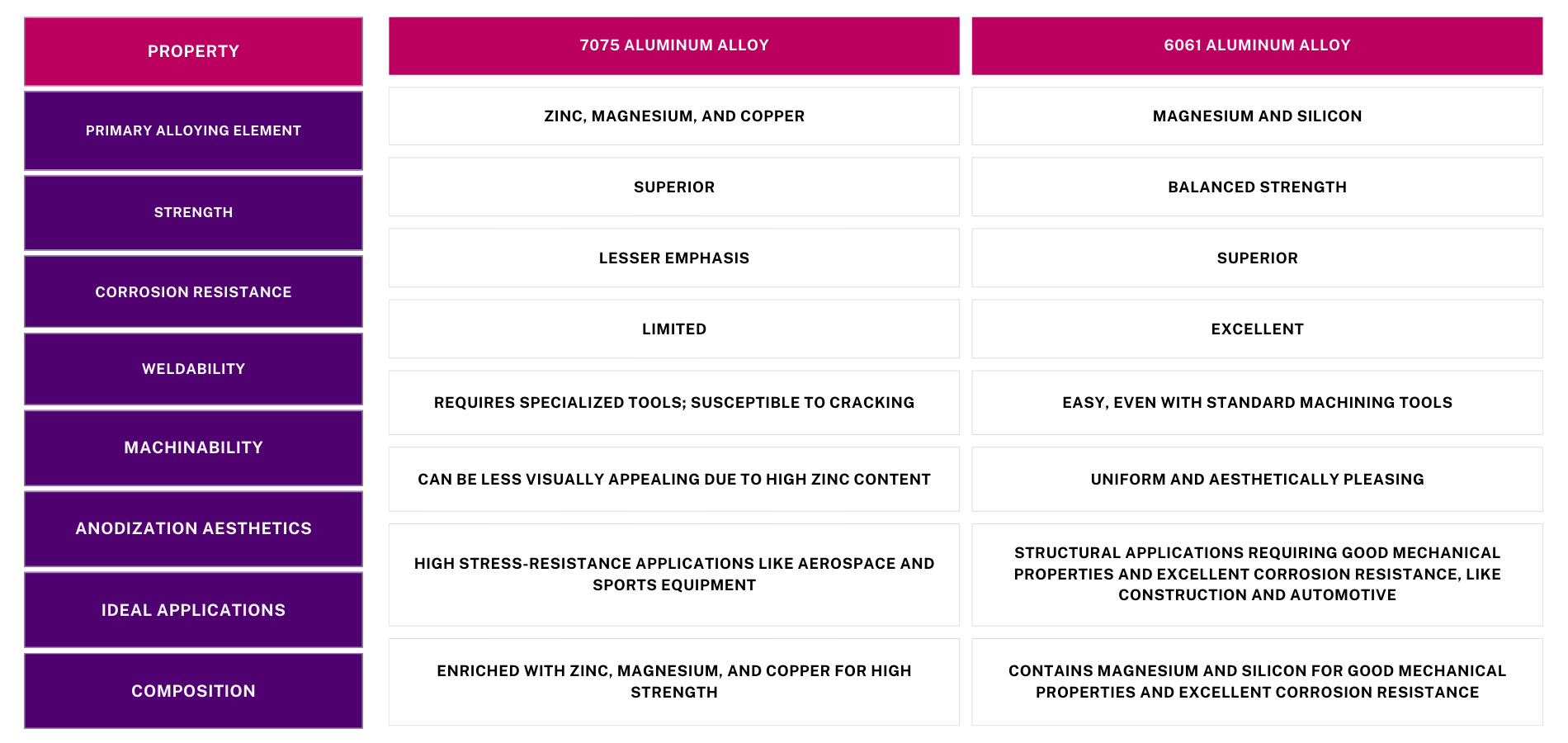
6061 belongs to the 6xxx series of aluminum alloys, which means its primary alloying elements are magnesium and silicon. This combination provides a balance of strength, corrosion resistance, and weldability. 6061 is often described as one of the most versatile aluminum grades because it can be used in so many industries. From aerospace fittings and automotive frames to pipelines, construction, and marine structures, it is trusted across the board.One of the most important advantages of 6061 is that it is highly weldable. Welders can use both TIG and MIG processes successfully, and the alloy responds well when paired with the correct filler metals such as ER4043 or ER5356. Because it resists hot cracking and fuses smoothly, 6061 is often the first choice when strength and weldability must go hand in hand. In addition, its corrosion resistance makes it especially useful for marine and outdoor applications.
Why 7075 Aluminum Is More Difficult
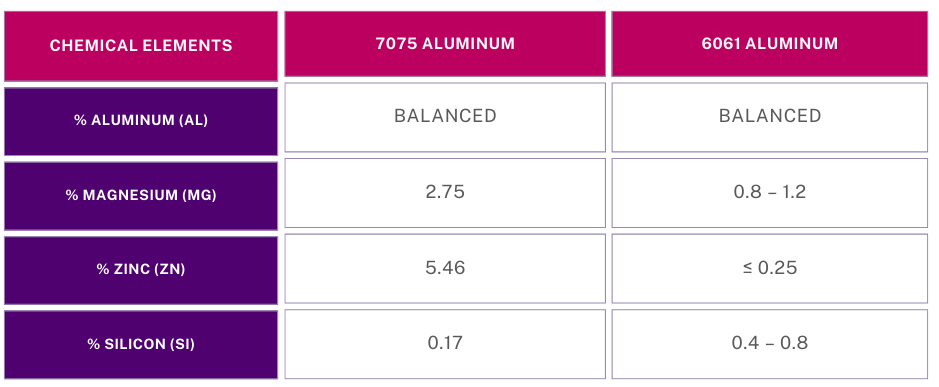
7075 belongs to the 7xxx series, which means its main alloying element is zinc, often combined with magnesium and copper. The result is one of the strongest aluminum alloys available, with tensile strengths rivaling some steels. This exceptional strength makes 7075 popular in aerospace, defense, and high-performance sporting goods where weight savings are critical but structural integrity cannot be compromised.The challenge is that 7075 has very poor weldability. Unlike 6061, it is extremely prone to hot cracking during welding. The high zinc and copper content in its chemistry makes it unstable under the heat of welding, and joints can fail quickly if not carefully managed. For this reason, 7075 is rarely used in welded structures. Instead, it is more often machined, bolted, or riveted. In industries such as aerospace, designers typically avoid welding 7075 altogether because of the risk of compromised joints.
Key Welding Differences Between 6061 and 7075
When comparing these two alloys side by side, the biggest difference lies in their weldability. While 6061 is considered an excellent choice for welding, 7075 is widely avoided. Welders working with 6061 can count on strong, durable joints as long as they select the right filler, control heat input, and prepare the base metal properly. With 7075, even experienced welders face significant challenges, and in many cases, the alloy is deemed unweldable for structural purposes.Another difference is in post-weld performance. Welds on 6061 maintain good corrosion resistance and moderate strength, making them reliable for both indoor and outdoor environments. In contrast, 7075 welds tend to lose mechanical properties, suffer from stress corrosion cracking, and cannot deliver the same level of long-term performance.
Choosing the Right Alloy
The choice between 6061 and 7075 ultimately depends on the application. If weldability is a top priority, 6061 is the clear winner. It provides a combination of strength, durability, and ease of fabrication that makes it the go-to alloy for welded aluminum structures. On the other hand, if maximum strength is required and welding is not part of the design, 7075 is unmatched. It remains the alloy of choice for aerospace and defense components where machining, forging, or bolting can be used instead of welding.

Final Thoughts
Both 6061 and 7075 are remarkable aluminum alloys, each offering unique advantages. For fabricators, the key is knowing when and how to use them. 6061 delivers versatility, weldability, and corrosion resistance, making it an industry standard for welded projects. 7075, while far stronger, comes with welding limitations that restrict its use to non-welded applications. By understanding these differences, welders and engineers can ensure they choose the right alloy for each project and achieve the best possible results.