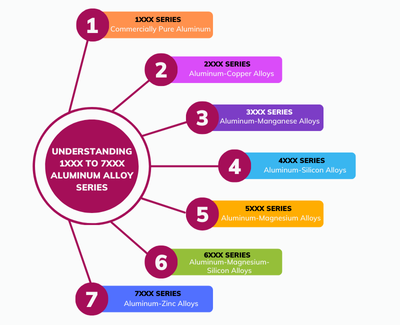
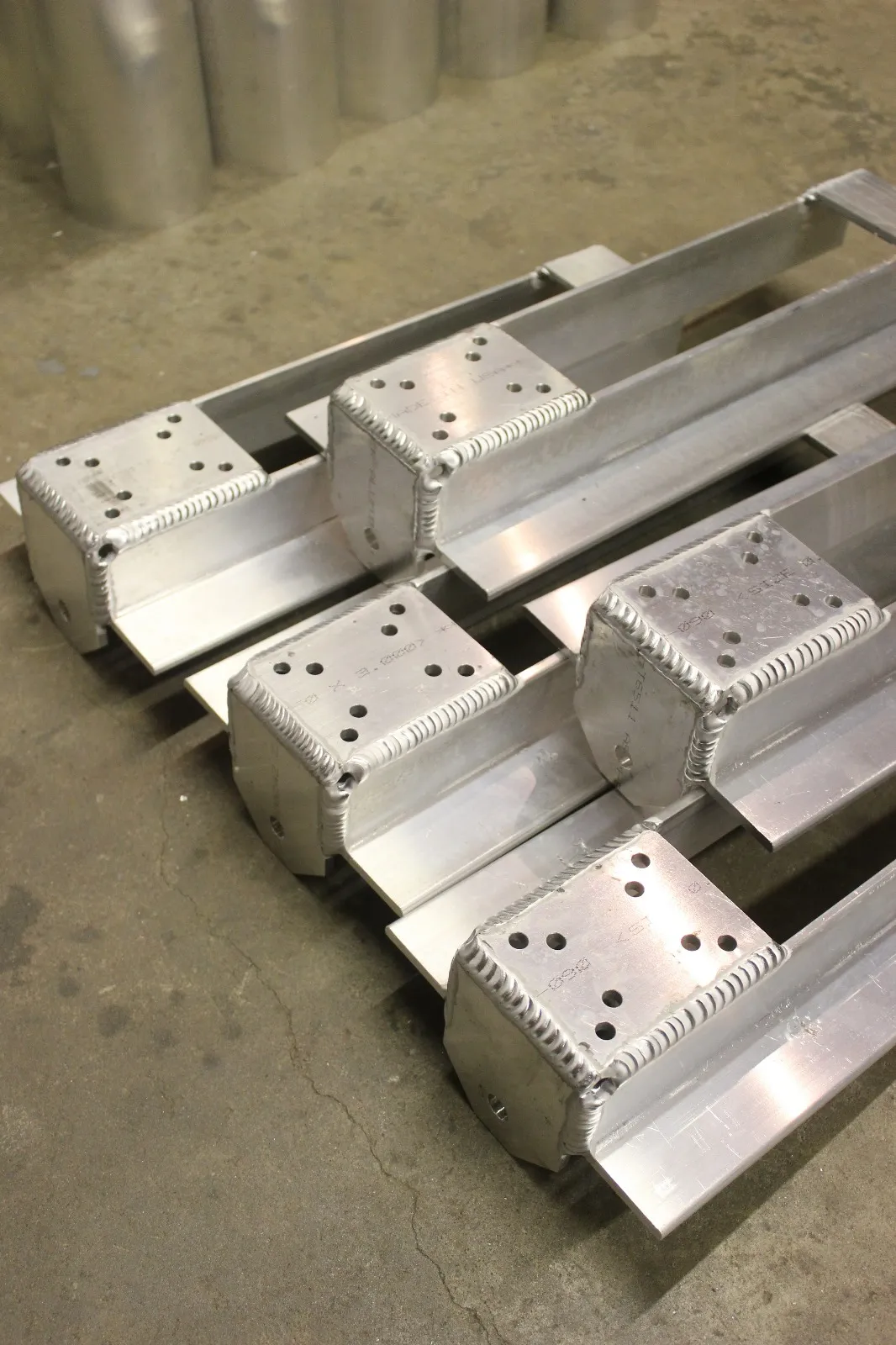
Aluminum is one of the most widely used materials in modern fabrication, valued for its low weight, high strength-to-weight ratio, and natural corrosion resistance. But not all aluminum is created equal. Among its various families, heat-treatable aluminum alloys, including those in the 2xxx, 6xxx, and 7xxx series offer performance advantages that non-heat-treatable grades cannot match. They can be strengthened dramatically through controlled heating and cooling, giving welders and fabricators the ability to produce lightweight yet durable structures.
At the same time, welding these alloys presents unique challenges. If not handled correctly, welds may lose strength, become brittle, or fail prematurely. To achieve reliable results, welders must understand how heat treatment interacts with welding and how to apply the right solutions.
Strength of Heat-Treatable Aluminum Alloys
Heat-treatable alloys gain their strength from a process known as precipitation hardening. Elements like copper, magnesium, silicon, or zinc are dissolved into the aluminum during solution heat treatment and then locked in place through quenching. Controlled aging then allows fine particles to form inside the metal, blocking dislocation movement and significantly increasing strength.
This ability to dramatically increase hardness and tensile strength makes heat-treated alloys ideal for industries where performance matters. The 6xxx series, such as 6061, balances strength with weldability, making it a go-to material for aerospace and automotive structures. The 7xxx series, including 7075, offers exceptional strength levels but is notoriously difficult to weld. In every case, the balance between strength and weldability determines how these alloys are used in real-world projects.

Challenges in Welding Heat-Treatable Alloys
While heat treatment creates stronger alloys, welding introduces localized heat that disrupts the microstructure. The area near the weld, known as the heat-affected zone (HAZ), often loses strength as alloying elements move or dissolve unevenly. This can leave the weld weaker than the surrounding base metal.
Hot cracking is another challenge, especially with 2xxx and 7xxx series alloys. The high copper and zinc content in these alloys make them prone to cracking as the weld cools. Choosing the wrong filler metal or using poor heat control only increases this risk.
Corrosion is also a concern. If the weld chemistry does not match the base metal, galvanic corrosion may occur at the joint, reducing service life in marine or outdoor environments.
Finally, the softening effect caused by welding heat can reduce hardness and durability. Without proper post-weld treatment, even the best-looking welds may not perform under stress.
Solutions for Stronger Welds
The first step toward success is alloy identification. Welders must know whether the aluminum they are working with is in the 2xxx, 6xxx, or 7xxx series and select the correct filler. For example, ER4043 is often used with 6xxx alloys to resist cracking, while ER5356 may be chosen for higher strength and corrosion resistance.
Cleaning and preparation are equally important. Aluminum’s oxide layer melts at a much higher temperature than the base metal, so it must be removed before welding. Brushing with stainless steel brushes, degreasing with solvents, and keeping surfaces dry are non-negotiable steps.
Heat control is another solution. Preheating thicker sections helps stabilize the weld pool, while modern TIG and MIG machines with adjustable AC balance provide welders with more control over penetration and cleaning action. For alloys prone to cracking, lower heat input and faster travel speeds can reduce defects.
Perhaps the most powerful solution is post-weld heat treatment (PWHT). By reheating and aging the welded assembly, much of the lost strength in the HAZ can be recovered. This step is critical for aerospace and automotive applications where weld performance is closely monitored. While not every project requires PWHT, it is the only way to restore properties close to the original T6 or T7 temper in heat-treatable alloys

Practical Applications
Heat-treatable aluminum alloys are everywhere. In aerospace, they form wing structures, fuselage frames, and landing gear components. In automotive, they are used in frames, body panels, and suspension parts. In marine environments, they provide the strength and corrosion resistance needed for hulls, decks, and offshore structures. In every case, welding must be carefully planned to balance strength, weight, and durability.
Advanced welding processes like friction stir welding and laser welding are also making these alloys more accessible. These methods minimize heat input, reducing HAZ softening and producing welds that meet strict performance standards.
Final Thoughts
Welding heat-treatable aluminum alloys unlocks tremendous benefits: stronger joints, lighter structures, and enhanced durability. But these advantages come with challenges, from hot cracking to strength loss in the heat-affected zone. Welders who succeed with these alloys do so by carefully identifying the material, selecting the right filler, preparing surfaces thoroughly, and controlling heat with precision.
For critical applications, post-weld heat treatment is often the key to restoring strength and ensuring long-term performance. With these solutions in hand, welders can turn the challenges of heat-treatable aluminum alloys into opportunities, delivering reliable joints that meet the high demands of modern industry.

W