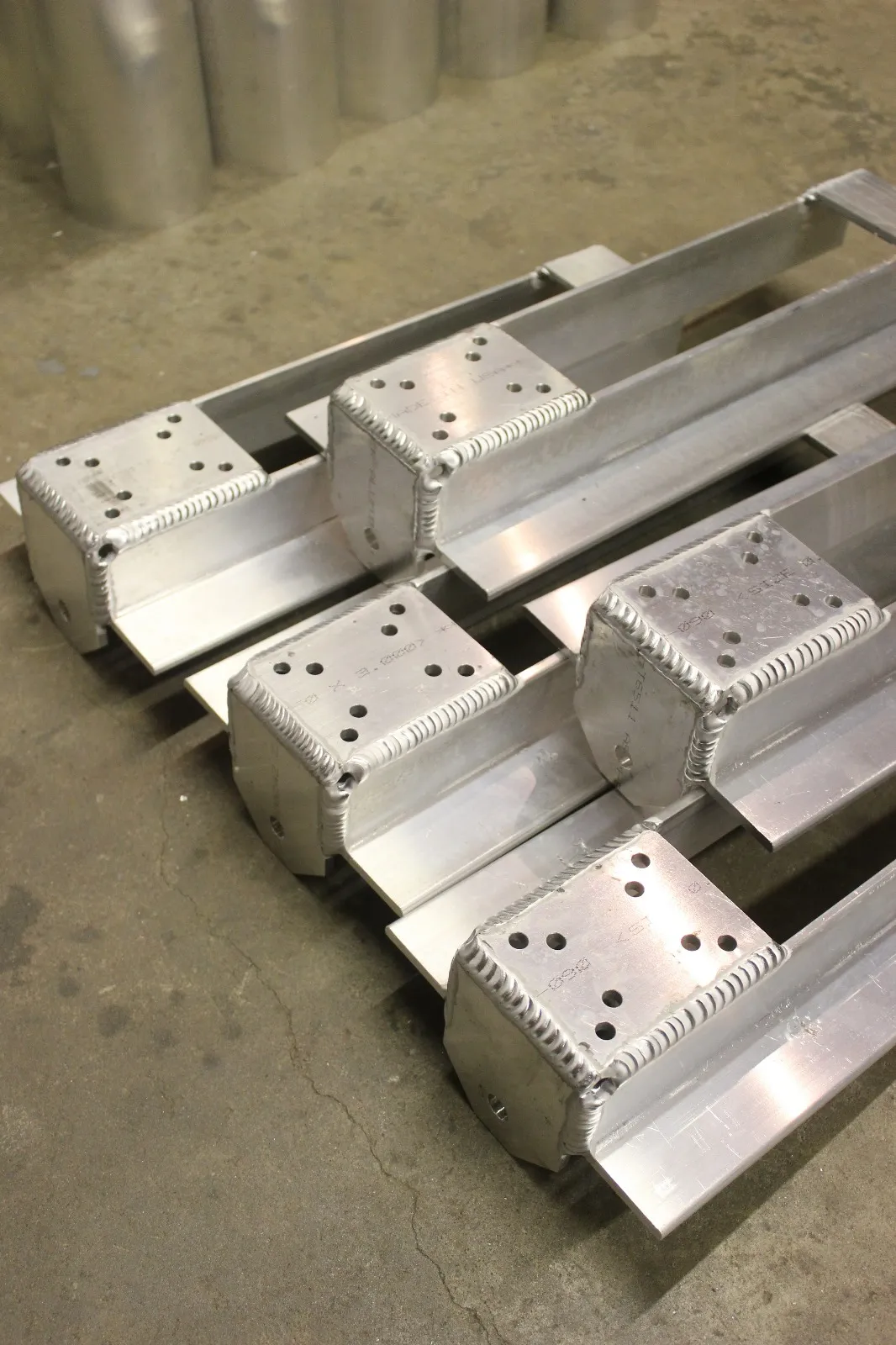
Welding aluminum demands precision, skill, and the right choice of materials. Among the many factors that determine the success of a weld, filler metal selection is one of the most critical. The filler not only affects how easily a weld can be made but also dictates the long-term strength, corrosion resistance, and durability of the joint. Using the wrong filler can result in cracking, brittleness, or premature corrosion. Using the right one, on the other hand, ensures a weld that performs reliably in industries such as automotive, aerospace, marine, and heavy fabrication.
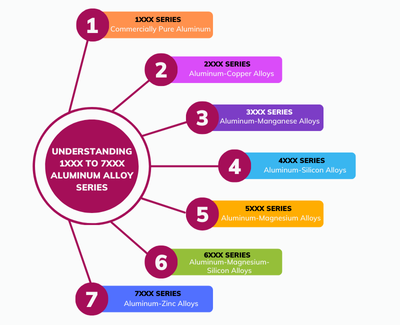
Aluminum alloys are divided into families, and each family responds differently to welding. The 5xxx series alloys, which contain magnesium, are commonly used in marine and structural applications because of their corrosion resistance. The 6xxx series alloys, which contain both magnesium and silicon, are popular in aerospace, automotive, and architectural projects because of their versatility and strength. Choosing a filler metal that matches the base alloy is the first step toward producing strong aluminum joints.

Common Filler Metals for Aluminum Welding
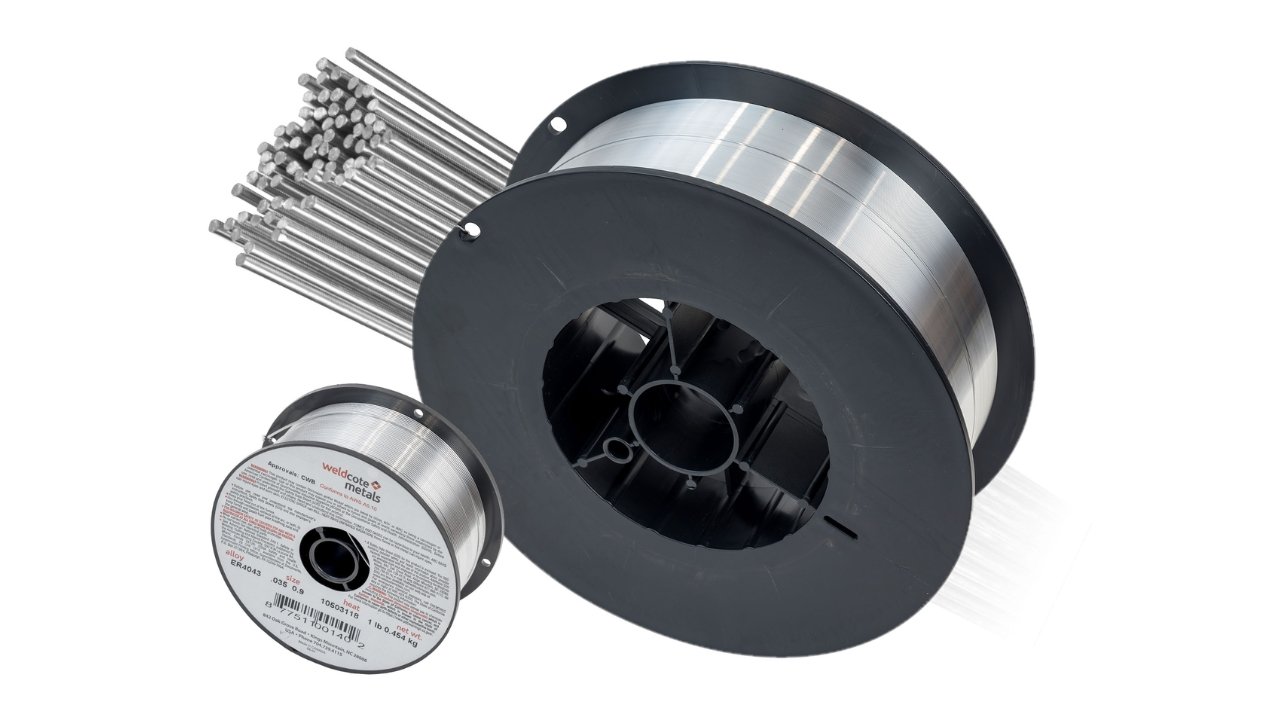
One of the most widely used fillers is ER4043, an aluminum-silicon alloy that provides smooth, easily managed welds. It offers excellent resistance to hot cracking, making it a reliable choice for welding 6xxx series base metals such as 6061. Welds made with ER4043 tend to have a clean appearance and are easier to control, though they may sacrifice some strength compared to other fillers. For projects that require higher strength and superior corrosion resistance, ER5356 is often preferred. This filler contains magnesium and is best suited for 5xxx series alloys such as 5052 and 5083. It is a top choice in applications where exposure to harsh environments, including saltwater, is a concern. ER5356 welds are strong, tough, and durable, making them ideal for marine and transportation structures. In more demanding applications, fillers like ER5183 and ER5556 are used. These provide greater tensile strength and toughness, which is especially valuable in shipbuilding, offshore construction, and heavy industrial fabrication. While they may not be required for every project, they are indispensable when reliability under extreme conditions is essential.

Making the Right Choice
The best filler metal depends on the alloy being welded, the service conditions of the finished product, and the level of strength required. Welders must balance factors such as crack resistance, corrosion performance, and mechanical strength when deciding which filler to use. For example, using ER4043 on a 5xxx series alloy may create weakness in the weld, while using ER5356 on certain 6xxx series alloys could increase the risk of stress corrosion cracking. This makes it vital to understand both the base metal and the filler properties before starting a project.o her real estate holdings an eight-plus acre estate in Bel-Air anchored by a multi-level mansion. Shielding gas also works hand in hand with filler metal. Pure argon is most commonly used in aluminum welding, though argon-helium blends may be preferred for thicker materials. Proper shielding ensures weld integrity and prevents contamination that could compromise joint strength.

At Performance Aluminum Fabrication, we know that filler selection is not a small detail but the foundation of a strong aluminum joint. By pairing the right filler with the right process, our certified welders deliver durable, crack-free results that meet the highest industry standards. From thin sheet fabrication to heavy structural welding, every project is executed with precision and built to last.