When it comes to welding aluminum, precision is everything. Aluminum is lightweight, corrosion-resistant, and widely used in industries such as aerospace, automotive, and marine. At the same time, it is one of the most challenging materials to weld. Its high thermal conductivity, low melting point, and the presence of an oxide layer make it far less forgiving than steel. For projects that demand accuracy and clean results, TIG welding, also known as Gas Tungsten Arc Welding (GTAW), is the preferred method.
Unlike MIG welding, which uses a continuously fed wire, TIG welding employs a non-consumable tungsten electrode to generate the arc. This allows the welder to carefully control both the heat and the filler metal, which is ideal when working with thinner sections of aluminum or when the finished weld must have a flawless appearance. The process is slower and requires more skill, but the results are exceptionally precise.
Preparation is the first step toward success. Aluminum naturally develops an oxide layer that melts at a much higher temperature than the base metal beneath it. If this layer is not removed, the weld pool can become contaminated, creating weak or porous joints. Using a stainless steel brush or chemical cleaning agent immediately before welding eliminates the oxide layer and ensures a more stable arc.

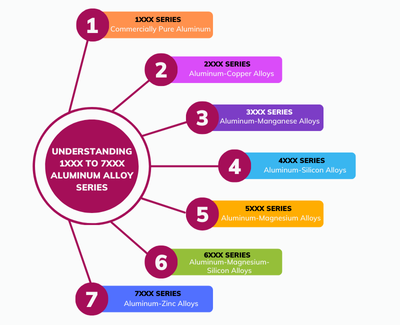
Shielding gas selection is another critical factor. Pure argon is most commonly used for TIG welding aluminum because it provides consistent arc stability and good penetration. For thicker aluminum, a mixture of argon and helium may be used to increase heat input and weld depth. Proper gas flow and coverage are essential, as even small amounts of contamination can cause porosity or other weld defects.Controlling heat input is one of the biggest challenges in TIG welding aluminum. The metal conducts heat rapidly, which can make it difficult to maintain a consistent weld pool. Modern TIG machines equipped with alternating current (AC) balance control help address this problem. By adjusting the balance between cleaning action and penetration, welders can both remove oxide and achieve strong fusion with the base metal. Learning to master this balance is key to producing reliable, crack-free welds.The choice of filler rod also influences weld strength and appearance. ER4043, an aluminum-silicon filler, is commonly used with 6xxx series alloys because it provides excellent crack resistance and smooth bead profiles. ER5356, a magnesium-containing filler, offers higher strength and improved corrosion resistance, which makes it popular in marine and structural applications. Matching the filler rod to the base alloy ensures optimal performance of the joint.

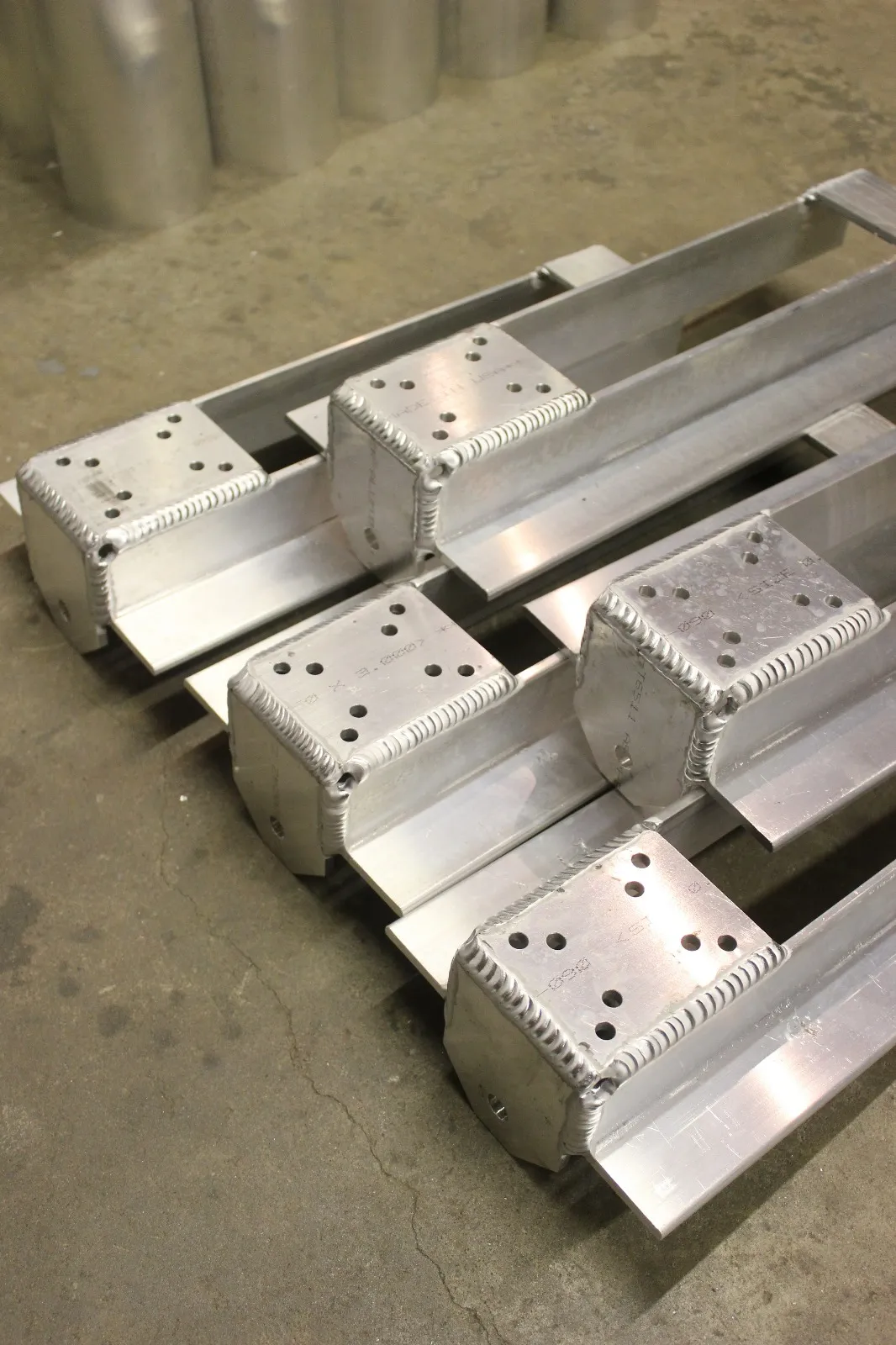
Finally, precision in technique makes all the difference. Welders must hold a steady torch angle, maintain a consistent travel speed, and feed filler smoothly into the leading edge of the pool. Mistakes such as excessive filler, poor torch positioning, or erratic movement can easily cause defects. With practice, TIG welding aluminum produces clean, strong welds that often require minimal finishing.
Though TIG welding aluminum is not the fastest process, it remains the standard for projects where precision and quality are non-negotiable. From aerospace components to custom fabrication, this method continues to deliver the accuracy and durability that industries demand